


Hydraulic Pipe Fittings / 4c / 4D / Metric Male Thread Hydraulic Plug
Cat:Hydraulic Adapters
Product Description hydraulic adaptor metric male O-Ring flat sealing pipe fittings Material: Carbon Steel, Stainless Steel Surfac...
See DetailsHydraulic hose fittings are the mechanical connectors that join hydraulic hoses to pumps, cylinders, valves, and other system components, forming sealed, pressure-rated fluid pathways in hydraulic systems. Choosing the correct hydraulic fitting is not a minor detail — a mismatched thread type, wrong pressure rating, or incompatible material can result in system leaks, pressure failures, or catastrophic hose blowouts. For engineers, maintenance technicians, and procurement professionals, understanding the full landscape of hydraulic connectors, thread standards, and assembly practices is essential to building reliable, long-service hydraulic systems.
This guide covers everything from thread standards (JIC, BSP, NPT) and fitting materials to hydraulic hose assembly best practices and high-pressure hydraulic fittings selection — giving you the knowledge to make confident, application-specific decisions.
Hydraulic hose fittings serve as the critical interface between flexible hose sections and the rigid ports of hydraulic equipment. They must simultaneously provide a leak-free seal under dynamic pressure pulses, resist vibration-induced loosening, withstand the chemical properties of hydraulic fluid, and survive the temperature extremes of the operating environment. In heavy-duty industrial applications, hydraulic systems commonly operate at pressures between 200 and 700 bar , with high-pressure hydraulic fittings in specialized circuits reaching up to 1,000 bar or more.
Unlike standard pipe fittings used in plumbing, hydraulic fittings must maintain integrity through repeated pressure cycles, thermal expansion, and mechanical vibration — conditions that would quickly loosen or degrade connections designed for static service. The consequence of fitting failure in a hydraulic system extends far beyond a simple leak: hydraulic fluid under pressure can cause injection injuries, fire hazards (many hydraulic fluids are flammable), equipment damage, and costly unplanned downtime.
Thread standard is the most common source of confusion when sourcing hydraulic fittings. Several incompatible thread systems are in widespread global use, and many look similar enough that mis-identification leads to cross-threading, damaged ports, or false-seal assemblies that fail under pressure. The four dominant standards are JIC fittings, BSP fittings, NPT hydraulic fittings, and metric (DIN) fittings.
| Standard | Thread Type | Seal Method | Primary Region | Typical Application |
|---|---|---|---|---|
| JIC (37° Flare) | UN/UNF straight | Metal-to-metal 37° cone | North America | Mobile equipment, aerospace |
| BSPP (G thread) | BSP parallel straight | Bonded seal or O-ring face | Europe, Asia, global | Industrial hydraulics, valves |
| BSPT (R thread) | BSP tapered | Thread engagement taper | UK, Asia, Australia | Low-pressure fluid lines |
| NPT / NPTF | National Pipe Tapered | Thread taper PTFE tape | North America | Low–medium pressure fluid |
| DIN (Metric) | Metric straight/tapered | O-ring or 24° cone | Germany, EU, Asia | Industrial machinery, presses |
| SAE O-Ring Face Seal | UN/UNF straight | Flat face O-ring | North America, global OEM | High-pressure hydraulics |
JIC fittings and SAE O-ring face seal fittings both use UN/UNF straight threads and can look identical externally. The difference is in the sealing surface: JIC uses a 37° internal cone, while ORFS uses a flat face with an O-ring groove. BSP parallel (BSPP) and BSP tapered (BSPT) share the same thread pitch and diameter but differ in taper — BSPT threads will not seal reliably in a BSPP port without additional sealing. A thread gauge and pitch comparison are the reliable tools for definitive identification.
Global Market Share by Hydraulic Fitting Thread Standard (Estimated %)
BSP fittings collectively represent the largest global share at approximately 35%, reflecting their widespread adoption across European and Asian industrial markets and the extensive export-oriented manufacturing in these regions. JIC 37° flare fittings hold a strong 28% share driven by North American mobile equipment and the aviation sector. DIN metric connectors, popular in German-engineered machinery exported worldwide, account for roughly 18% of the market. Understanding this distribution helps procurement teams anticipate which thread standards will be most available from local hydraulic hose suppliers and hydraulic fitting manufacturers.
Beyond thread standards, hydraulic fittings are classified by their geometric configuration — the physical shape that determines how the hose routes through a system. Selecting the correct elbow angle or configuration affects not just assembly convenience but also system performance, as sharp bends and stress concentrations near fittings are a leading cause of hose fatigue failure.
Common Hydraulic Fitting Configurations (Schematic View)
The diagram illustrates five fundamental hydraulic fitting configurations encountered in typical system design. Straight fittings offer the lowest flow resistance and are preferred wherever the hose routing allows. Elbow fittings — particularly 90° types — are the most commonly specified fittings in compact machine designs where ports face awkward directions relative to the hose routing path. Tee fittings introduce flow splits that require careful velocity and pressure drop analysis to ensure equal distribution to downstream actuators, while banjo fittings solve the geometric challenge of connecting to ports in tight, enclosed spaces.
Material selection for hydraulic fittings directly affects corrosion resistance, pressure rating, weight, compatibility with hydraulic fluid, and cost. The three primary material groups used by hydraulic fitting manufacturers are carbon steel (with plating), stainless steel, and brass — each with distinct strengths and limitations.
Carbon steel is the default material for the majority of industrial hydraulic fittings due to its high strength, ease of machining, and relatively low cost. Carbon steel fittings are typically zinc-plated or nickel-plated to provide surface corrosion protection for indoor and moderate outdoor environments. They are suitable for petroleum-based and synthetic hydraulic fluids, and can handle working pressures from 400 to 700 bar in high-pressure configurations. The limitation is corrosion resistance — in aggressive environments involving saltwater, acids, or prolonged outdoor exposure without surface protection, plated carbon steel will corrode.
Stainless steel hydraulic fittings — primarily 316L grade — are specified for marine environments, food and beverage processing, pharmaceutical systems, chemical plant hydraulics, and any application where long-term corrosion resistance is more important than minimizing material cost. SS316L offers excellent resistance to chlorides and most hydraulic fluids, and maintains structural integrity across a wide temperature range from -196°C cryogenic service to 450°C. The trade-off is that stainless steel is harder to machine than carbon steel, leading to higher production costs and longer lead times from most hydraulic fitting manufacturers.
Brass fittings are used in lower-pressure hydraulic applications (typically below 200 bar), instrument tubing, and water-glycol hydraulic fluid systems where zinc-contamination from carbon steel is a concern. Brass offers good machinability and natural corrosion resistance but has lower tensile strength than steel and is susceptible to stress corrosion cracking in the presence of ammonia or amines.
Hydraulic Fitting Material Performance Radar (Score 0–10)
The radar chart compares three primary hydraulic fitting materials across six performance dimensions. Carbon steel (dark red) dominates in pressure rating, machinability, cost efficiency, and strength-to-weight ratio — the four attributes that drive its dominant market position in industrial hydraulics. Stainless steel (medium red dashed) leads strongly in corrosion resistance and temperature range, making it the correct choice for demanding environments despite higher material and processing costs. Brass (light fill) occupies a middle ground in corrosion resistance and machinability but falls short on pressure rating, limiting its use to lower-pressure hydraulic circuits and instrumentation systems.
High pressure hydraulic fittings — generally defined as those rated above 400 bar (5,800 psi) — require fundamentally different design approaches compared to standard industrial hydraulic connectors. At extreme pressures, material fatigue, thread shear strength, seal extrusion, and stress concentration at geometry transitions all become critical failure modes that standard fittings are not designed to address.
The predominant connection system for ultra-high-pressure applications (700–1,000 bar) is the cone-and-thread fitting (also known as the Autoclave or HP cone-type connection), which relies on metal-to-metal sealing between a hardened internal cone and a mating seat machined directly into the fitting body. This eliminates elastomeric seals entirely — a necessity since O-rings and polymeric seals extrude through clearances at pressures above approximately 400–500 bar.
Required Wall Thickness Ratio vs. Working Pressure for Carbon Steel Fittings
This line chart illustrates how wall thickness requirements scale nonlinearly with operating pressure. At 100 bar, a wall/bore ratio of approximately 1.2 is sufficient for carbon steel fittings with standard safety factors. By 700 bar, this ratio rises to 4.0, and approaches 5.0 at 1,000 bar — resulting in fittings that are physically much heavier and require precision machining to achieve the necessary surface finishes. The orange dashed line marks the 400–500 bar threshold where standard elastomeric seals begin to fail and metal-to-metal or cone sealing designs become necessary for reliable hydraulic hose assembly performance.
The method by which a hydraulic fitting attaches to the hose end is as important as the fitting thread standard itself. Two fundamentally different approaches are used: crimped hose assembly (factory or field crimped) and reusable field-attachable fittings . Each has specific advantages, limitations, and appropriate use cases.
Crimped assemblies use a hydraulic crimping machine to permanently compress a ferrule onto the hose end and fitting stem. The crimp creates a mechanically interlocked, leak-free connection that — when performed correctly with matched hose and fitting from the same hydraulic hose supplier system — achieves the full rated working pressure of the hose. Crimped assemblies account for approximately 85% of all hydraulic hose assembly production globally , driven by their consistent quality, wide pressure range capability, and suitability for automated production.
Reusable hydraulic fittings consist of a socket (outer shell) and nipple (inner stem) that are threaded together around the hose end without specialized crimping equipment. They are particularly valuable in remote field locations, mining sites, or marine vessels where carrying a crimping machine is impractical and hose failures must be repaired quickly with hand tools. The trade-off is slightly lower pressure rating consistency compared to properly crimped assemblies, and they require more careful assembly to achieve rated performance. Reusable fittings are generally rated to the same nominal pressures as crimped equivalents but require strict adherence to assembly torque specifications.
Crimped vs Reusable Hydraulic Hose Assembly Usage by Industry (%)
This grouped column chart reveals how assembly method preference shifts significantly by industry sector. Manufacturing environments overwhelmingly prefer crimped assemblies (92%) because controlled factory or workshop crimping with calibrated equipment produces the most consistent quality. Mining and marine sectors show a substantially higher proportion of reusable fittings — 40% and 35% respectively — reflecting the practical reality that these environments are remote, and field repair capability is essential when a hydraulic hose failure occurs on a machine that cannot easily be transported to a workshop. Understanding this balance helps hydraulic hose suppliers tailor their product recommendations to each industry's operational context.
Hydraulic adapters are fittings with two different thread types on opposite ends, allowing connection between components that use different port standards. In real-world hydraulic systems — particularly those assembled from components sourced globally — it is very common to encounter a BSP-ported pump connected to a JIC hose assembly, or an NPT hydraulic fitting manifold connected to metric DIN hose ends. Adapters solve this compatibility challenge without requiring replacement of major system components.
Common hydraulic adapters include BSP to JIC, NPT to BSP, JIC to metric, and BSP to SAE O-ring face seal combinations. When using adapters, it is important to recognize that the pressure rating of the adapter assembly is limited by the lower-rated thread standard in the connection — for example, an NPT-to-JIC adapter used in a 300 bar system must be rated for 300 bar on both ends.
Reputable hydraulic fitting manufacturers offer complete adapter catalogs that cover the most common cross-standard combinations in standard carbon steel and stainless steel hydraulic fittings, and can supply ODM/OEM custom adapters for unusual port geometry combinations specific to particular machine designs.
| Adapter Type | End 1 | End 2 | Typical Max Pressure | Common Use Case |
|---|---|---|---|---|
| BSP to JIC | BSPP male/female | JIC 37° male/female | 420 bar | EU equipment with US hose assemblies |
| NPT to BSP | NPT male/female | BSPP male/female | 280 bar | North American components in global systems |
| JIC to DIN Metric | JIC 37° male | DIN metric male | 400 bar | Mobile equipment with German-spec valves |
| BSP to SAE ORFS | BSPP male | SAE ORFS male/female | 420 bar | High-pressure European to North American systems |
Selecting the correct hydraulic fitting requires evaluating seven key parameters — often summarized as the STAMPED method (Size, Temperature, Application, Material/Media, Pressure, Ends, Delivery). Working through these systematically eliminates the most common specification errors.
Root Causes of Hydraulic Hose Assembly Failure (% of Field Reports)
This breakdown of hydraulic hose assembly failure causes reveals a striking insight: the two largest contributors — wrong specification (30%) and hose twist or improper bend radius (22%) — are entirely preventable through correct product selection and installation practice. Together they account for over half of all field failures, none of which are due to product defects. Contamination (18%) and fitting loosening (15%) are the next most significant categories, both addressable through proper filtration practices and correct torque application during installation. This data underscores why systematic specification using the STAMPED method and sourcing from knowledgeable hydraulic fitting manufacturers substantially reduces lifetime maintenance costs.
The range of industries that depend on hydraulic hose assemblies and fittings is broad, reflecting the fundamental role of hydraulic power transmission in modern industrial and mobile equipment. Key sectors include:
Q1: What is the difference between JIC and BSP hydraulic fittings?
JIC fittings use UN/UNF straight threads with a 37° internal flare cone for metal-to-metal sealing, and are the standard across North American mobile equipment and the aerospace sector. BSP fittings (both BSPP parallel and BSPT tapered) use British Standard Whitworth thread form and seal either via a bonded seal washer (BSPP) or thread taper engagement (BSPT). The two systems are not interchangeable — attempting to join JIC and BSP threads will result in cross-threading or a false seal that fails under pressure. Always identify the thread standard before replacing or assembling fittings.
Q2: How do I know what pressure rating my hydraulic fitting needs?
The fitting pressure rating must equal or exceed the maximum surge pressure in the hydraulic circuit — not just the nominal working pressure. Hydraulic systems commonly produce pressure spikes 2 to 3 times the normal operating pressure during valve actuation or sudden load reversal. As a practical rule, select fittings with a rated working pressure at least 25% above the highest normal system pressure, and verify the assembly against any known surge conditions. For OEM or custom system design, consult with a hydraulic fitting manufacturer who can provide pressure calculation support based on your specific circuit parameters.
Q3: Can I use NPT fittings in a hydraulic system?
NPT (National Pipe Tapered) fittings can be used in hydraulic systems, but with important limitations. NPT threads rely on thread engagement and PTFE thread tape for sealing, making them suitable for low-to-medium pressure applications (typically below 210 bar). For higher pressures or dynamic applications with vibration, NPTF (National Pipe Tapered Fuel) — also known as Dryseal — provides more reliable sealing through controlled thread interference. However, most modern hydraulic system designs have moved away from NPT fittings in favor of O-ring face seal or JIC connections for higher reliability above 200 bar.
Q4: When should I use stainless steel hydraulic fittings instead of carbon steel?
Stainless steel hydraulic fittings are the right choice in four main situations: marine and offshore environments where salt air or seawater contact will cause rapid corrosion of plated carbon steel; food, beverage, and pharmaceutical hydraulic circuits where contamination from corrosion products is unacceptable; chemical processing systems where the external environment involves corrosive vapors or wash-down with harsh cleaning agents; and high-temperature applications where carbon steel plating would degrade. For standard indoor industrial hydraulics with petroleum-based fluids, properly plated carbon steel provides adequate service life at lower cost.
Q5: What causes hydraulic hose fittings to leak and how can it be prevented?
The most common causes of hydraulic fitting leaks are under-torquing (insufficient thread engagement), over-torquing (damaged sealing surfaces or deformed O-rings), contaminated sealing surfaces (debris between the cone face and seat), and wrong thread or seal material for the application. Prevention starts with verifying the thread standard before assembly, cleaning all sealing surfaces, applying the manufacturer's specified torque (not "tight by feel"), and using the correct seal material for the fluid and temperature. For O-ring face seal connections, inspect and replace the O-ring at each assembly rather than reusing potentially deformed seals.
Q6: What is the benefit of ODM/OEM hydraulic fitting customization?
ODM/OEM customization from a hydraulic fitting manufacturer allows engineers to specify fittings that exactly match their system's port geometry, material requirements, pressure ratings, and marking or certification needs — rather than adapting their design around catalogue standard parts. This is particularly valuable in high-volume production equipment where non-standard port configurations or compact packaging requirements make off-the-shelf fittings impractical, and in regulated industries (aerospace, medical, food processing) where specific material certifications or traceability documentation are mandatory. Custom hydraulic adapters and hose assemblies can also reduce the total part count in a system by combining multiple standard components into a single precision-machined fitting.
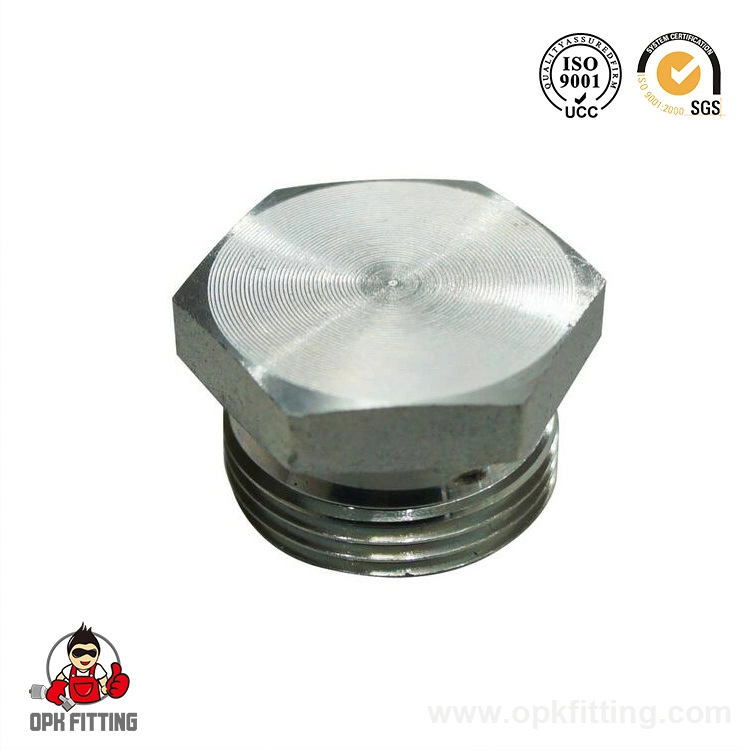
Product Description hydraulic adaptor metric male O-Ring flat sealing pipe fittings Material: Carbon Steel, Stainless Steel Surfac...
See Details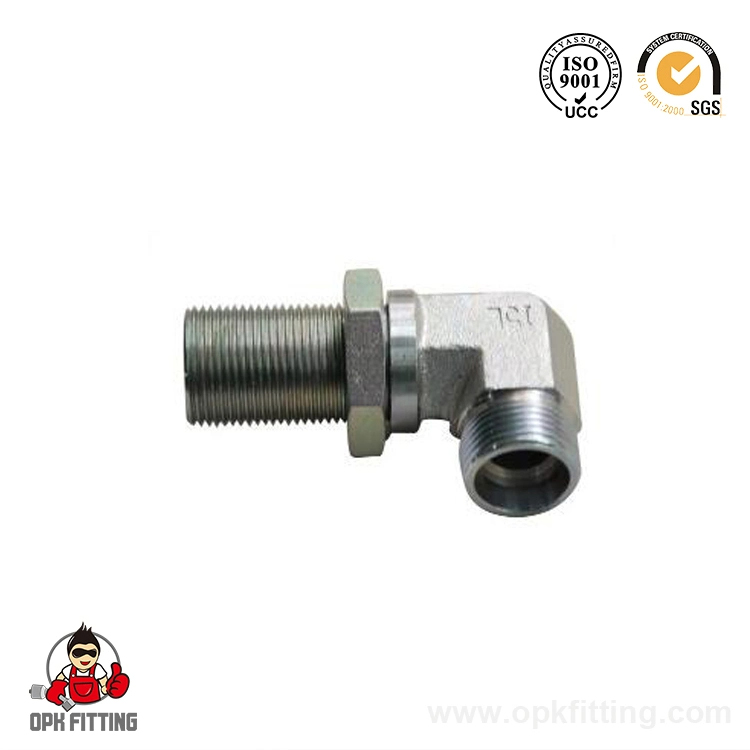
Product Description hydraulic adaptor metric male O-Ring flat sealing pipe fittings Material: Carbon Steel, Stainless Steel Surfac...
See Details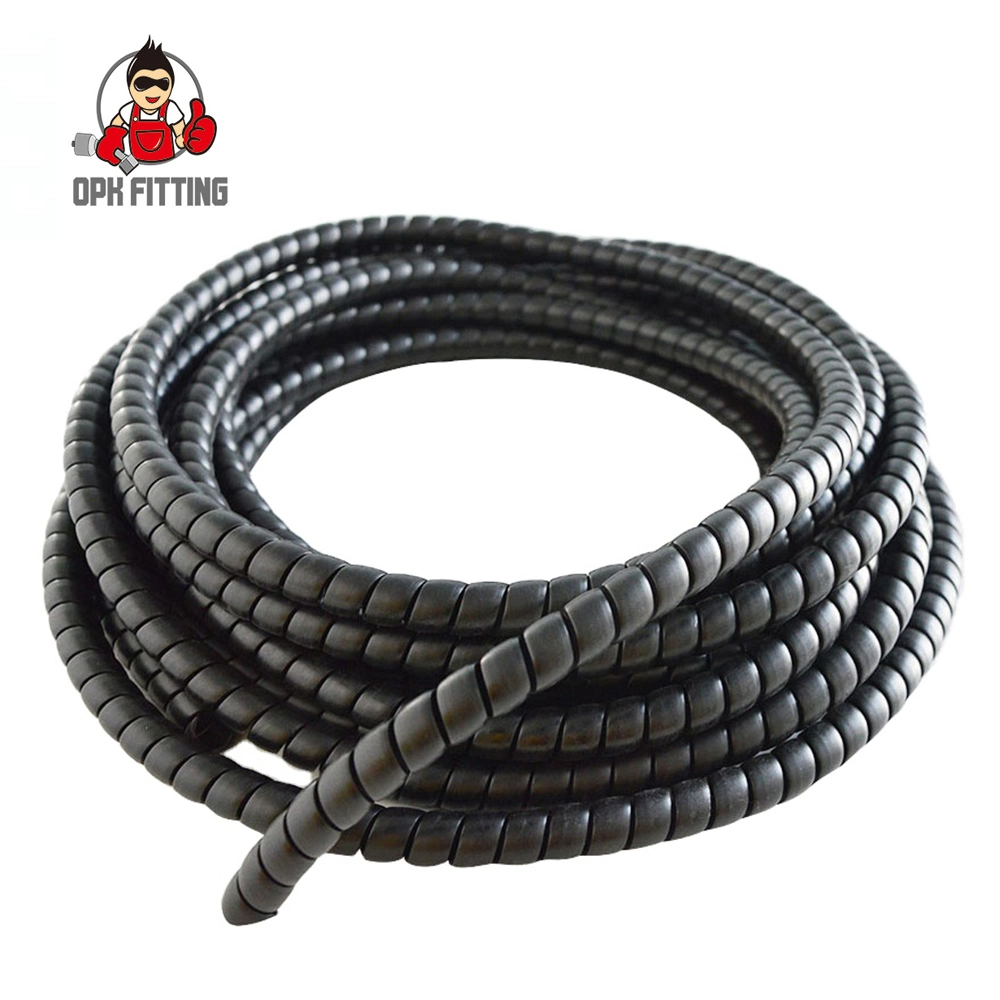
PRODUCT NAME: Spiral Protective Sleeve PP plastic hose guard for hydraulic hose Recommended For: The use of Spiral Guard Wrap is an economical...
See Details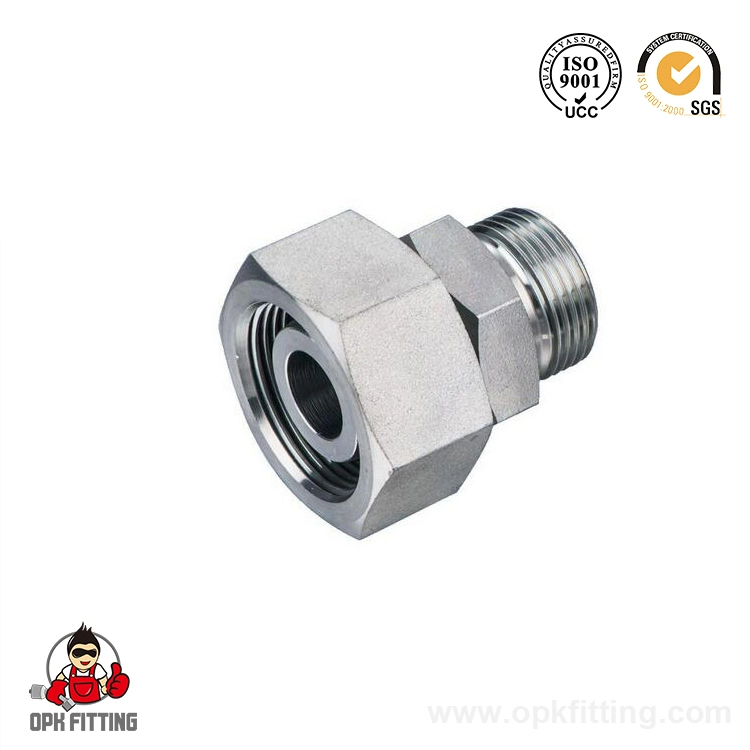
Product Description hydraulic adaptor metric male O-Ring flat sealing pipe fittings Model No.: 1E. 1E9.AE.2E9.4E.9E.1EH.1EH9-OG Mater...
See Details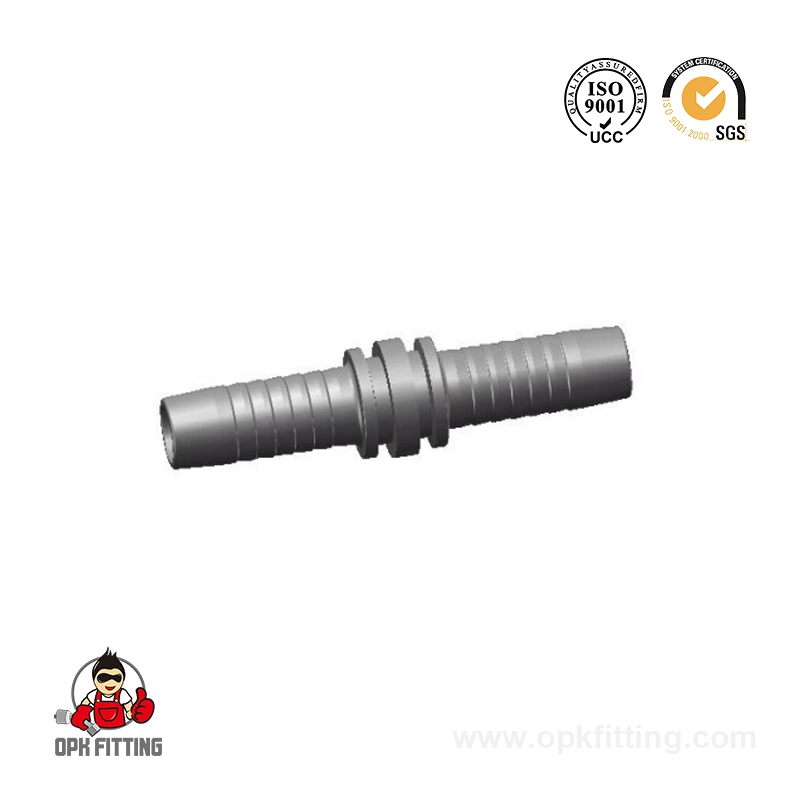
1. Raw Material: Carbon Steel & Stainless Steel available 2. Standard Plating: Trivalent Zinc Plating ( Cr3 / Chrome Free ), Silver & Yellow ...
See Details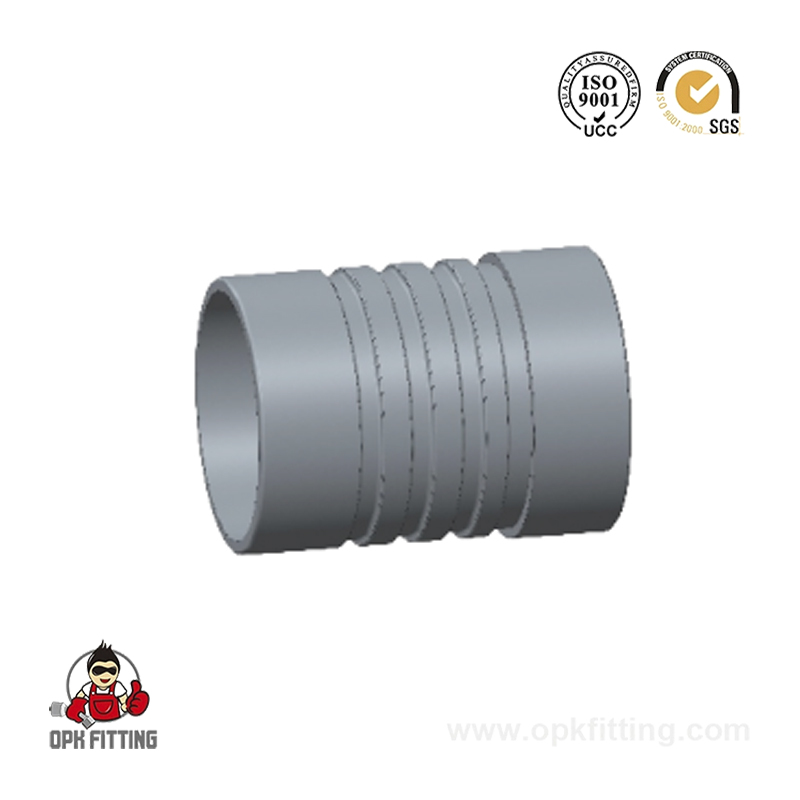
Description Of Products: 1. Raw Material: Carbon Steel & Stainless Steel available 2. Standard Plating: Trivalent Zinc Plating ( Cr3 / Chrome...
See Details

+86-18868902802


No. 298, Chenghai Road, Binhai New District, Fenghua Economic Development Zone, Fenghua District, Ningbo City, Zhejiang Province, China
Bản quyền@ Ningbo Opk Fitting Co., Ltd. Hydraulic Hose Fittings Manufacturers OEM & Custom Adaptors Company
